Nutrition Services
Food is the body’s fuel and building material. The right combination of carbohydrates, protein, healthy fats, vitamins, minerals, fibre, and water supports energy levels, immune function, muscle maintenance, organ health, and long-term disease prevention.
Diabetes
is a condition where your body struggles to keep blood sugar levels steady. This can happen because it doesn’t make enough insulin or can’t use it properly. When blood sugar stays too high for too long, it can cause health problems, but the good news is that many people manage it well.
With balanced meals, regular exercise, medication if needed, and routine check-ups, people with diabetes can live full, active lives.

Obesity
is a condition where a person has an excessive amount of body fat that may increase the risk of health problems. It usually develops over time when energy intake from food and drinks consistently exceeds the body’s energy use. Obesity can raise the risk of conditions like heart disease, diabetes, and joint problems, but it is manageable.
Small, sustainable changes such as balanced eating, regular physical activity, good sleep, and supportive healthcare guidance can make a meaningful difference in overall health.

Hypertension
is a condition where the force of blood pushing against the walls of the arteries stays consistently too high. It often has no obvious symptoms, which is why it’s sometimes called a “silent” condition. Over time, uncontrolled high blood pressure can strain the heart and increase the risk of heart disease, stroke, and kidney problems.
The good news is that it can be managed with healthy eating (especially reducing salt intake), regular physical activity, stress control, and medication when prescribed.

GIT Disorders
Gastrointestinal (GIT) disorders refer to conditions that affect the digestive tract — including the stomach, intestines, liver, and related organs. Common examples include acid reflux, ulcers, irritable bowel syndrome (IBS), constipation, and diarrhoea. These conditions can cause symptoms such as abdominal pain, bloating, nausea, and changes in bowel habits.
Management depends on the specific condition but often involves dietary adjustments, stress management, hydration, and medical treatment where necessary.

Renal Disease
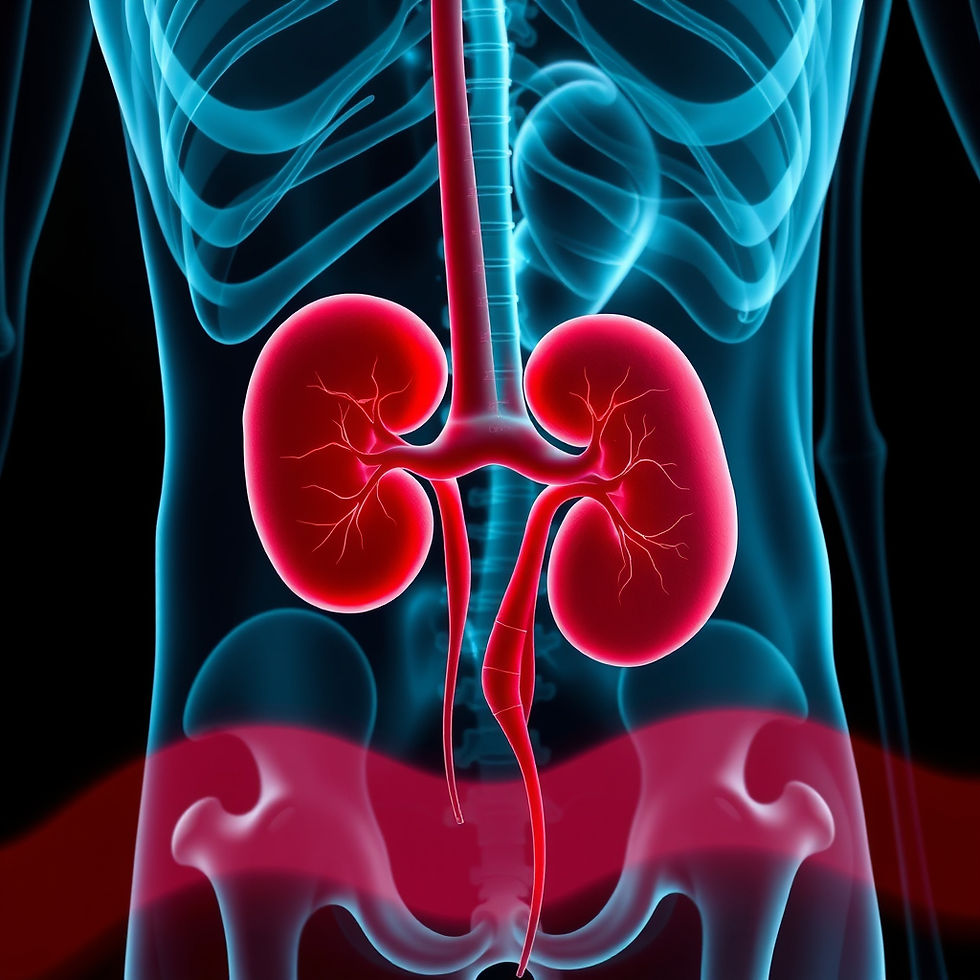
(renal disease) occurs when the kidneys gradually lose their ability to filter waste and balance fluids in the body. Early stages may not show clear symptoms, but over time it can lead to fatigue, swelling, and other complications.
Management focuses on treating underlying causes and supporting kidney function through appropriate medical care and diet.
Under Weight
refers to having a body weight that is lower than what is considered healthy for a person’s height. It can result from inadequate food intake, high metabolism, illness, or other underlying conditions. Being underweight may increase the risk of weakened immunity, fatigue, and nutrient deficiencies. Management focuses on identifying the cause and gradually improving nutritional intake to support healthy weight gain and overall wellbeing.

Food Allergies
happens when the immune system reacts abnormally to certain foods, even if they are normally harmless. Common triggers include peanuts, shellfish, eggs, and milk. Reactions can range from mild symptoms like rashes, itching, or stomach upset to severe ones such as difficulty breathing.
Managing food allergies mainly involves avoiding trigger foods and having an action plan in case of accidental exposure
Eating Disorders
are conditions where a person develops unhealthy eating habits and an unhealthy relationship with food, often linked to body image or emotional issues. Common types include anorexia, bulimia, and binge eating disorder. These conditions can affect both physical and mental health.
Recovery usually involves a combination of nutritional guidance, therapy, and medical support to help restore balanced eating and overall wellbeing.

Cancer
From a nutritional perspective, Cancer places extra demands on the body. People with cancer often face changes in appetite, taste, digestion, and nutrient absorption, which can lead to weight loss or muscle wasting.
Proper nutrition focuses on maintaining energy, protein, and micronutrient intake to support the immune system, help the body cope with treatments like chemotherapy or radiation, and improve overall strength and recovery. Small, frequent meals and nutrient-dense foods are usually recommended to meet these needs.
